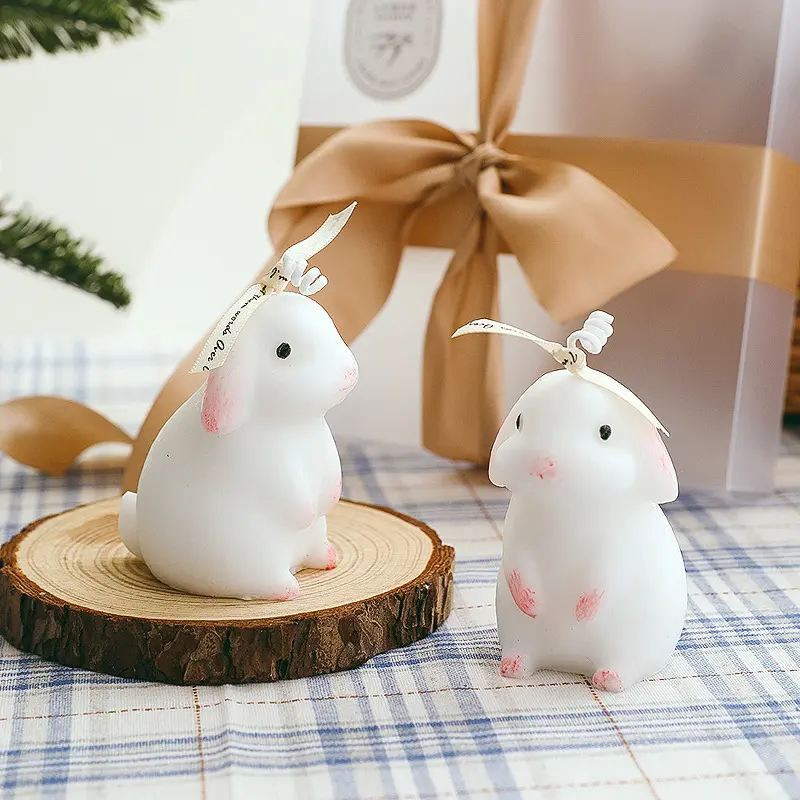
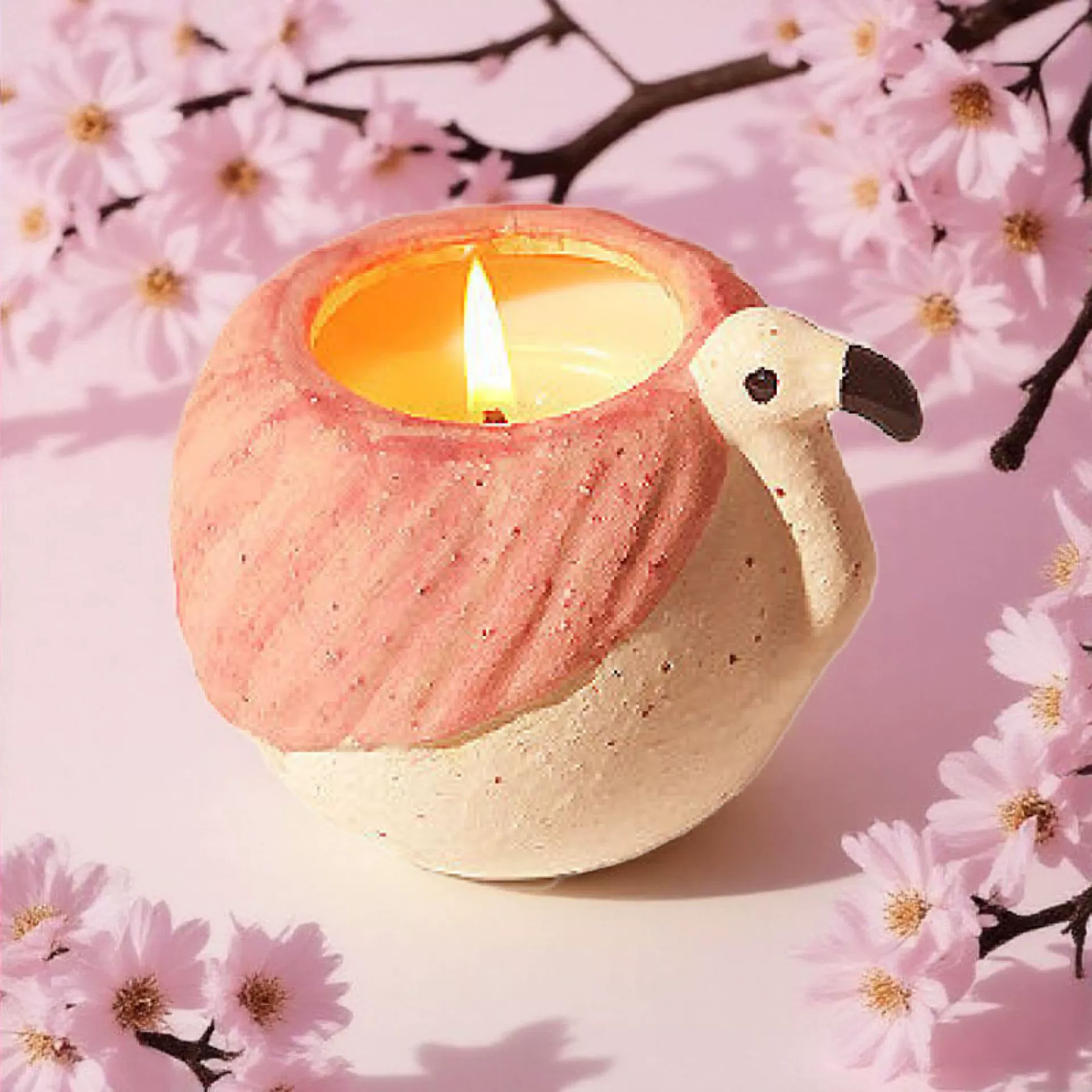
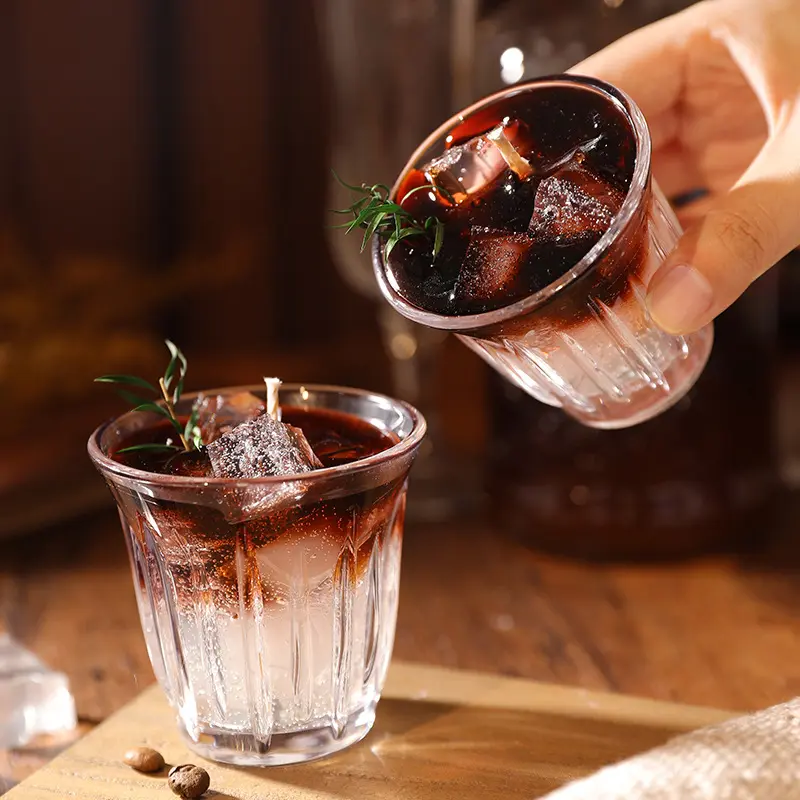
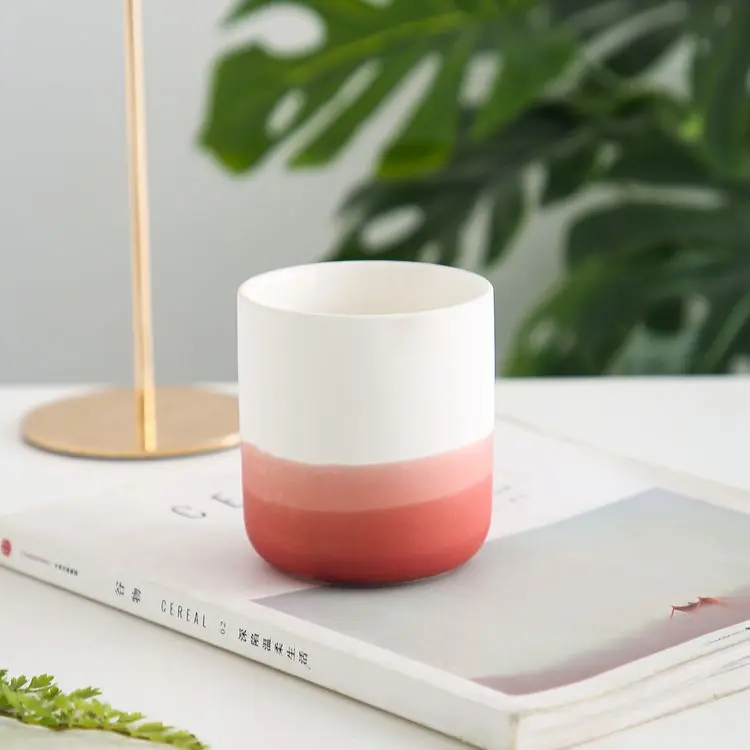
Creating your own private label candle line is more than putting your logo on a jar and choosing a fragrance from a supplier's catalog. A successful candle brand needs a clear product concept, reliable manufacturing, tested formulas, attractive packaging, realistic pricing, and a production process that can be repeated from one batch to the next.
For new brands, the biggest challenge is usually not making the first candle. It is creating a candle that looks distinctive, burns properly, meets the requirements of the target market, and can be produced consistently at a commercially viable cost.
This guide explains how to create a private label candle line from the initial idea to finished products.
What Is a Private Label Candle Line?
A private label candle line is a collection of candles manufactured by a candle supplier or factory and sold under your own brand name.
Depending on the manufacturer, you may be able to customize:
Candle wax
Fragrance
Wick
Candle size
Jar or vessel
Color
Label
Box
Lid
Warning label
Fragrance collection
Product name
Logo
Packaging design
Gift sets
Retail cartons
There are several levels of customization.
Basic private label: Select an existing candle formula, fragrance, and container, then add your branding.
Semi-custom private label: Choose the wax, fragrance, vessel, wick, label, and packaging from a manufacturer's available options.
Fully customized candle: Develop a unique fragrance, vessel, color, packaging system, and candle formula specifically for your brand.
For a new business, semi-custom private labeling is often a practical starting point because it allows customization without requiring the development time and investment of a completely new product.
Choose your product:
Brand : Your own brand
MOQ : 1000sets
Material : glass,essence,wax
Scent : customized
Size : 7*8cm
Whether OEM : OEM
Payment : L/C, T/T, D/P, Western Union, Paypal, Money Gram
Delivery time : 45-60 days after samples approved
Packaging : Colorful packaging box,White Box, PVC Box, carton,or customized
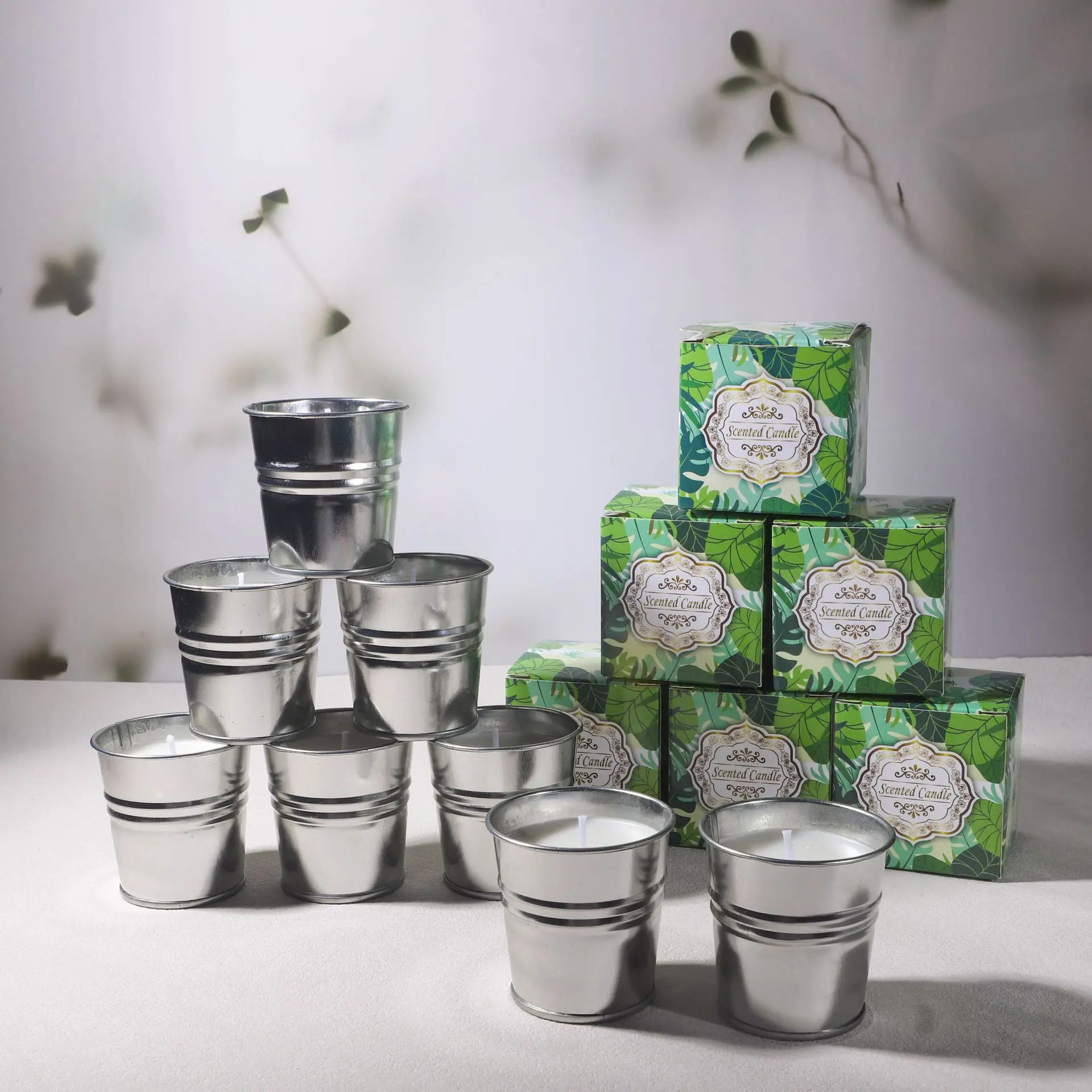
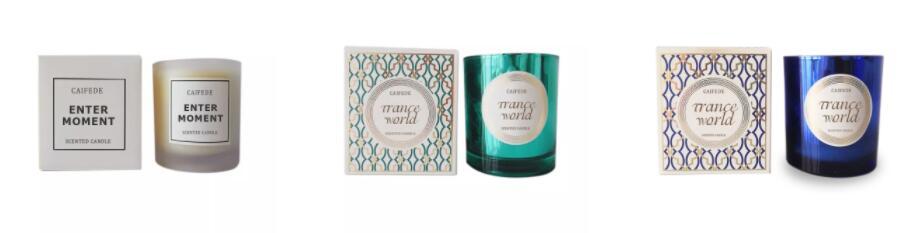
Paper Private Label Examples
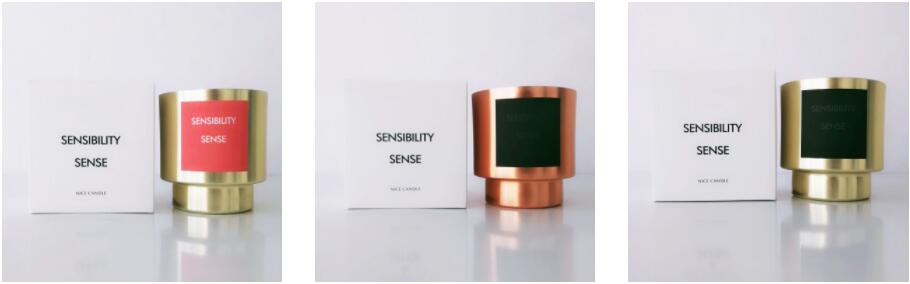
Transparent plastic Private Label Examples
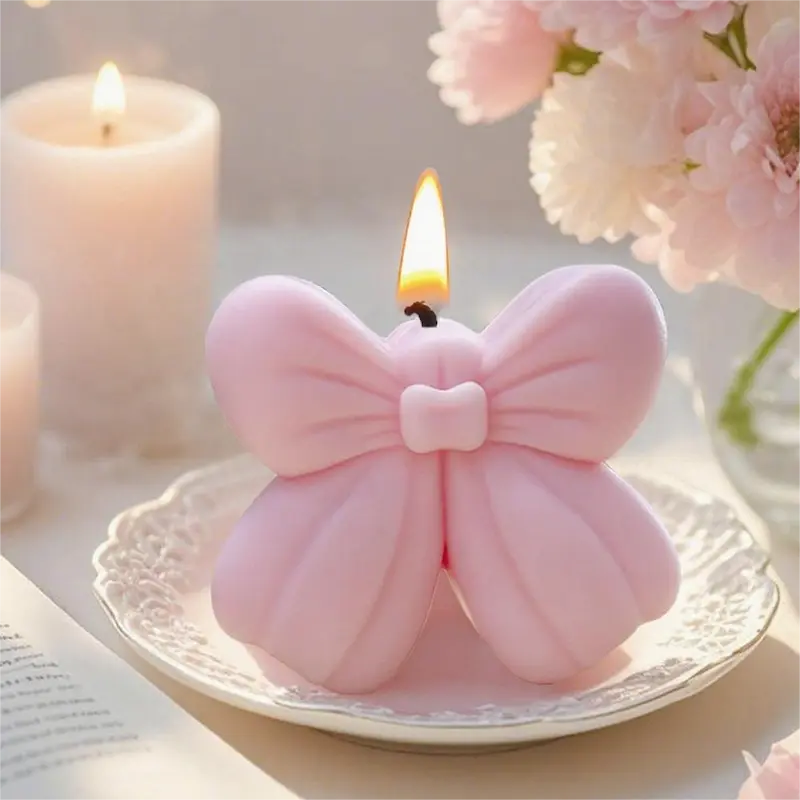
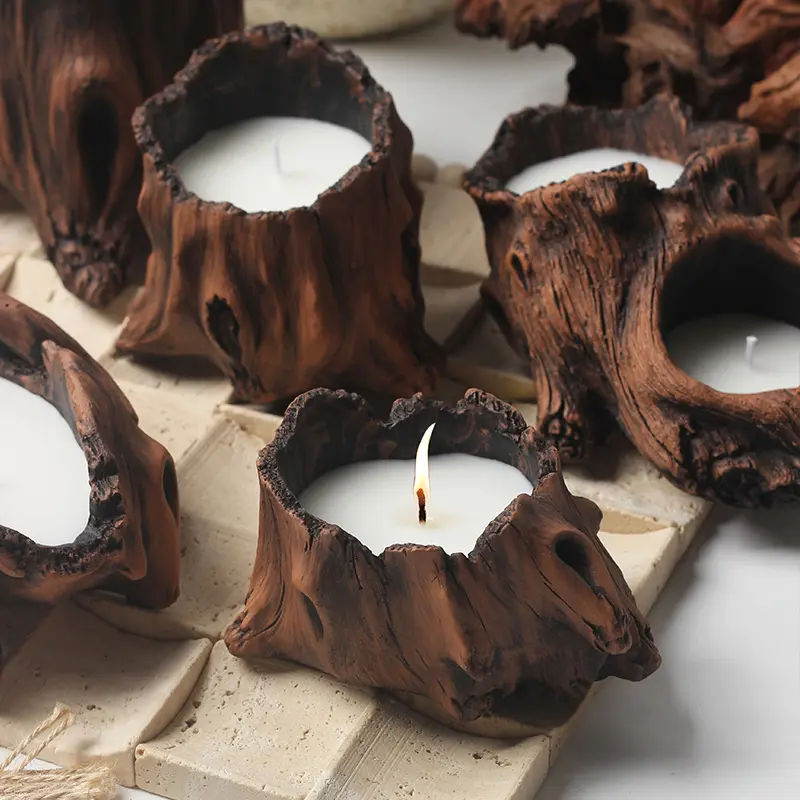
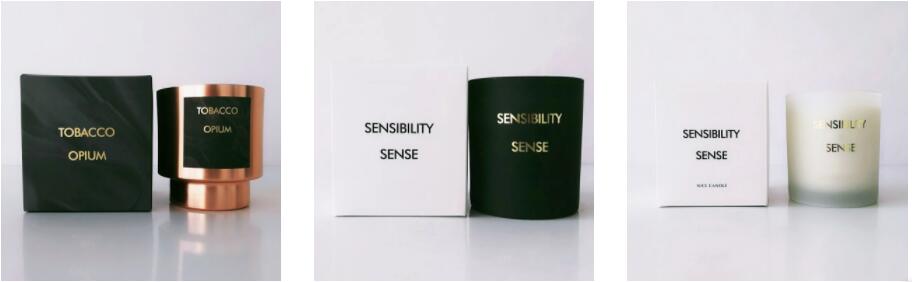
Spraying and sculpting Private Label Examples
Step 1: Define Your Candle Brand Before Contacting a Manufacturer
One of the most common mistakes new candle brands make is contacting factories before deciding what they actually want to sell.
Start with the customer and positioning rather than the candle itself.
Ask:
Who will buy the candles?
Where will they be sold?
What price range will customers accept?
Is the brand luxury, affordable, natural, minimalist, seasonal, or gift-oriented?
What candle sizes are appropriate?
What fragrances fit the brand?
Will the products be sold individually or as collections?
For example, a boutique home-fragrance brand might develop a collection around:
| Product | Example |
|---|---|
| Signature Candle | 8 oz / 227 g |
| Small Candle | 4 oz / 113 g |
| Travel Candle | 2–3 oz |
| Luxury Candle | 10–12 oz |
| Gift Set | 2–4 candles |
| Seasonal Collection | Christmas, autumn, spring, etc. |
Do not launch with 20 fragrances simply because a factory offers 100 options.
A smaller collection of 3–6 carefully selected scents can be easier to test, photograph, stock, and market.
Step 2: Research Your Target Market
Before developing the products, research what customers are already buying.
Look at:
Candle sizes
Retail prices
Fragrance descriptions
Container styles
Packaging
Burn-time claims
Product reviews
Customer complaints
Competitor positioning
Seasonal demand
Customer reviews are particularly useful because they reveal problems that product descriptions often hide.
For example, repeated complaints about:
weak scent throw
tunneling
excessive soot
wick problems
poor packaging
broken jars
short burn time
fragrance inconsistency
can become opportunities for your own product development.
Instead of asking:
“What candle should I copy?”
ask:
“What do customers expect from this category, and where are existing products disappointing them?”
That question leads to a much stronger private label product.
Step 3: Choose the Wax
Wax has a direct effect on the candle's appearance, fragrance performance, texture, burn characteristics, and positioning.
Common options include:
Soy Wax
Soy wax is widely used for container candles and is often associated with plant-based positioning.
It can be suitable for brands looking for a natural or lifestyle-oriented image, although actual performance depends on the complete candle formulation rather than wax type alone.
Paraffin Wax
Paraffin offers strong fragrance performance and predictable manufacturing characteristics.
It can be useful for brands prioritizing fragrance intensity and cost efficiency.
Coconut Wax
Coconut wax and coconut-blend formulations are commonly positioned toward premium candles because of their appearance and smooth finish.
Soy-Coconut Blend
A soy-coconut blend can provide a balance between appearance, fragrance performance, and marketing positioning.
The important point is that wax should not be selected based only on marketing claims.
Your manufacturer should test the finished formula with the selected fragrance, vessel, and wick.
Step 4: Select Your Fragrances
Fragrance is one of the most important parts of a candle line because it directly affects repeat purchases.
Instead of choosing scents randomly, create a fragrance strategy.
For example:
Everyday Collection
Vanilla
Lavender
Sandalwood
Fresh Linen
Premium Collection
Oud & Amber
Black Fig
Bergamot & Cedar
White Tea
Seasonal Collection
Pumpkin Spice
Cinnamon Apple
Winter Pine
Vanilla Christmas
A useful candle fragrance brief should include:
Fragrance name
Fragrance profile
Top notes
Middle notes
Base notes
Target customer
Desired strength
Candle size
Target retail price
If you want an exclusive fragrance, ask the manufacturer whether they can develop a custom fragrance instead of simply selecting an existing fragrance oil.
Step 5: Choose the Right Candle Vessel
The container is part of your brand identity.
Common private label candle vessels include:
Clear glass jars
Amber glass jars
Frosted glass
Ceramic containers
Concrete vessels
Metal tins
Colored glass
Decorative luxury vessels
When selecting a vessel, do not consider appearance alone.
The manufacturer should evaluate:
Heat resistance
Vessel dimensions
Wall thickness
Stability
Wick position
Wax fill level
Compatibility with the candle formula
Packaging requirements
Shipping durability
For glass container candles, container suitability matters because candle vessels are exposed to heat during use. ASTM has a specific standard, ASTM F2179, covering annealed soda-lime-silicate glass containers produced for use as candle containers.
A beautiful jar that performs poorly under actual candle-use conditions is not a successful product.
Step 6: Develop and Test the Wick
The wick is one of the easiest components for beginners to underestimate.
A wick that is too small may cause:
Tunneling
Weak fragrance diffusion
An excessively small melt pool
Poor overall burn performance
A wick that is too large can produce:
Excessive flame height
Overheating
Soot
Excessive melt pool size
Shorter burn time
Wick selection depends on the complete candle system, including:
wax + fragrance + vessel + diameter + fill level + wick
This is why copying another company's wick size is not a reliable shortcut.
A professional private label candle manufacturer should conduct wick testing with the final formula rather than selecting a wick based solely on the container diameter.
Step 7: Create Your Brand Packaging
Once the candle formula is defined, develop the visual identity.
Your packaging may include:
Candle Label
Usually includes:
Brand name
Product name
Fragrance
Net weight
Product information
Safety information
Manufacturer/private-label information where applicable
Candle Box
A custom box can improve:
Shelf presentation
Shipping protection
Gift appeal
Brand recognition
Retail positioning
Outer Carton
For wholesale orders, the shipping carton should protect the candle during transportation while keeping packaging costs under control.
Do not spend 30% of your product budget on packaging simply because premium packaging looks impressive.
Your packaging should match the actual retail price and customer expectations.
Step 8: Work With a Private Label Candle Manufacturer
Once you have a product concept, send the manufacturer a clear product brief.
Instead of sending:
“I need private label candles. What is your price?”
provide something closer to:
| Specification | Example |
|---|---|
| Candle type | Container candle |
| Wax | Soy-coconut blend |
| Size | 8 oz / 227 g |
| Fragrance | 4 scents |
| Vessel | Frosted glass |
| Wick | Factory recommendation |
| Label | Custom |
| Box | Custom printed |
| Logo | Custom |
| Packaging | Individual box |
| Quantity | 1,000 pcs per scent |
| Target market | USA |
| Target retail price | $24–$32 |
This gives the manufacturer enough information to provide a meaningful quotation.
Step 9: Understand Private Label Candle MOQ
MOQ means minimum order quantity.
Your MOQ may apply to:
Total candles
Each fragrance
Each vessel
Each label
Each box
Each color
Each packaging configuration
For example, a factory might quote:
2,000 candles total
but require:
500 pieces per fragrance × 4 fragrances
Another manufacturer may require 1,000 pieces per fragrance.
Therefore, always ask:
“Is the MOQ calculated per SKU, per fragrance, per packaging design, or for the entire order?”
This small question can make a major difference to your initial investment.
Step 10: Request Samples Before Placing a Bulk Order
Never approve a private label candle based only on photographs.
Request physical samples.
Ideally, test:
Container appearance
Wax finish
Fragrance before burning
Fragrance during burning
Flame behavior
Melt pool
Burn time
Soot or smoke
Wick performance
Label quality
Box quality
Shipping protection
For serious brands, keep a sample from the approved production batch as a reference standard.
This becomes useful when you reorder six or twelve months later.
Step 11: Conduct Burn Testing
Burn testing is one of the most important steps before commercial production.
A candle should be evaluated through its intended burn cycle, rather than simply lighting it for ten minutes and deciding that it looks good.
Record observations such as:
| Test Item | What to Observe |
|---|---|
| Flame | Height and stability |
| Melt pool | Width and depth |
| Wick | Mushrooming or carbon buildup |
| Smoke | Visible smoke or soot |
| Glass | Excessive heating or damage |
| Fragrance | Hot throw |
| Wax | Remaining wax and burn pattern |
| End of life | Final burning behavior |
ASTM F2417 addresses fire safety for candles, while ASTM F2058 covers candle fire-safety labeling; other ASTM standards address visible emissions and candle containers. These standards are useful references when developing a commercially sold candle.
Step 12: Check Candle Safety and Market Requirements
This is where a private label project moves from branding into product compliance.
Requirements depend on the country where you sell.
For the U.S. market, the Consumer Product Safety Commission identifies several candle-related standards, including ASTM F2058, ASTM F2179, ASTM F2326, ASTM F2417 and ASTM F2601.
CPSC also states that metal-cored candle wicks and candles using them cannot contain lead in the metal core above 0.06% by weight.
If a candle falls under applicable consumer-product safety requirements, the manufacturer or importer may also have certification responsibilities. CPSC explains that a General Certificate of Conformity must be based on applicable testing or a reasonable testing program where certification is required.
The important lesson for a new brand is simple:
Do not assume that “private label” means the manufacturer automatically handles every legal responsibility in your destination market.
Ask your supplier:
What testing has been completed?
Which standards were used?
Can you provide test reports?
What safety labeling is supplied?
Who is responsible for the applicable compliance documentation?
Are the documents valid for my destination market?
Requirements can vary according to the product, materials, market, and applicable regulations, so compliance should be confirmed before mass production.
How Much Does It Cost to Start a Private Label Candle Line?
There is no single private label candle startup cost because the final price depends on the formula, vessel, fragrance, packaging, quantity, customization, shipping, and testing.
A useful way to calculate your landed cost is:
Landed Cost = Candle Manufacturing + Packaging + Testing + Freight + Duties/Taxes + Other Import Costs
For example, imagine a hypothetical 1,000-piece order:
| Cost | Example |
|---|---|
| Candle manufacturing | $4.20 × 1,000 |
| Custom label | $0.25 × 1,000 |
| Individual box | $0.80 × 1,000 |
| Testing/sample development | $500 |
| Freight and import costs | Variable |
| Total | Calculate from actual quotations |
These figures are only an illustration—not a universal market quotation.
When comparing suppliers, do not compare the candle unit price alone.
A supplier quoting $3.50 may become more expensive than one quoting $4.00 if the first supplier has:
Higher packaging costs
Higher MOQ
Higher sample fees
Poorer shipping efficiency
More expensive custom tooling
Less favorable payment terms
The number that matters to your business is the landed cost per sellable unit.
Step 13: Calculate Your Retail Price
Your retail price should be determined before you finalize the product.
For example:
Landed product cost: $7
Wholesale price: $14–$17
Retail price: $28–$34
This is only an example of a pricing structure, not a recommended market price.
Your actual pricing should account for:
Marketplace fees
Payment processing
Advertising
Warehousing
Returns
Discounts
Retailer margins
Sales commissions
Taxes
Damaged goods
A common mistake is developing an expensive candle first and discovering afterward that the target retail price cannot support the required margin.
Work backward from the intended retail channel.
Step 14: Place the Bulk Production Order
After samples and specifications are approved, confirm everything in writing.
Your purchase order should clearly identify:
Product SKU
Quantity
Wax
Fragrance
Fragrance concentration
Vessel
Vessel color
Wick
Candle weight
Label
Box
Packaging
Carton quantity
Product dimensions
Inspection requirements
Shipping terms
Payment terms
Production schedule
For custom products, photographs alone are not enough.
Create a golden sample or approved reference sample that represents the exact product standard.
This helps prevent small changes from becoming large problems during repeat production.
Private Label Candle Manufacturing Process
A typical manufacturing workflow looks like this:
Brand concept
↓
Market research
↓
Product specification
↓
Fragrance and vessel selection
↓
Formula development
↓
Wick testing
↓
Sample production
↓
Burn testing
↓
Packaging design
↓
Compliance review
↓
Pre-production approval
↓
Bulk manufacturing
↓
Quality inspection
↓
Packaging
↓
Shipping
↓
Retail launch
This workflow is much safer than jumping directly from logo design to mass production.
What Should You Ask a Private Label Candle Manufacturer?
Before choosing a supplier, ask these questions:
1. Can you make custom fragrances?
Some factories only offer existing fragrance options, while others can develop customized fragrance profiles.
2. What is your MOQ?
Ask whether the MOQ applies per fragrance, SKU, vessel, or complete order.
3. Can you provide samples?
Confirm the sample fee, development time, and whether sample costs are refundable after a bulk order.
4. Can you customize the vessel?
Ask about available glass, ceramic, metal, and other containers.
5. Do you provide custom packaging?
Check whether the manufacturer can handle labels, boxes, inserts, lids, and shipping cartons.
6. What testing do you perform?
Ask specifically about wick testing, burn testing, vessel testing, and finished-product inspection.
7. Can you provide compliance documentation?
The exact documents depend on the destination market and product configuration.
8. Can you maintain the same formula for repeat orders?
This is especially important for growing brands.
9. What is your production lead time?
Ask for both:
Sample lead time
Bulk production lead time
10. Can you support small initial orders?
A supplier willing to support a controlled launch can be useful for brands that are still testing market demand.
7 Common Mistakes When Starting a Private Label Candle Brand
1. Launching Too Many Scents
Twenty fragrances sound impressive, but they can create inventory problems.
Start with a manageable collection and expand based on sales data.
2. Choosing a Wick by Guesswork
The wick must be tested with the actual wax, fragrance, vessel, and candle dimensions.
3. Designing Packaging Before Calculating Cost
A custom rigid box may look fantastic but can destroy your target margin.
4. Ordering in Bulk Before Testing Samples
Never let a low factory price pressure you into skipping product testing.
5. Comparing Factories Only by Unit Price
Compare the complete landed cost and production capabilities.
6. Ignoring Repeat-Order Consistency
Your second production run should perform like the first.
Ask how the manufacturer controls:
Wax
Fragrance
Wick
Filling weight
Vessel
Label placement
Packaging
7. Treating Compliance as an Afterthought
The product should be reviewed for applicable requirements before the final production specification is approved.
How to Make Your Private Label Candle Line Different
Private labeling becomes much more valuable when your brand has a reason to exist.Here, you need to find a professional label manufacturer to obtain a label printing solution for the candle's outer packaging.
You could differentiate through:
Fragrance
Create a recognizable fragrance identity rather than selling generic scents.
Packaging
Use a distinctive vessel and consistent visual system.
Sustainability Positioning
If you make environmental claims, make sure they are accurate and supportable rather than simply using words such as “eco-friendly” or “green.”
Custom Collections
Build collections around:
Hotels
Wedding gifts
Spa brands
Restaurants
Real estate gifts
Corporate gifts
Seasonal retail
Home décor
Subscription boxes
Personalization
Offer customized:
Labels
Names
Dates
Messages
Corporate logos
Gift packaging
This can turn a standard candle into a much higher-value private label product.
Private Label Candle vs. White Label Candle
These terms are sometimes used interchangeably, but they can describe different levels of customization.
| Feature | White Label | Private Label |
|---|---|---|
| Existing formula | Usually | Often |
| Custom fragrance | Limited | Possible |
| Custom vessel | Limited | Possible |
| Custom label | Yes | Yes |
| Custom packaging | Sometimes | Usually possible |
| Formula development | Limited | Possible |
| Brand exclusivity | Limited | Higher potential |
| Development cost | Lower | Potentially higher |
| Customization | Lower | Higher |
The exact definition varies between suppliers, so always ask the manufacturer what they mean by “private label.”
A Practical Launch Strategy for a New Candle Brand
If this is your first candle business, you do not necessarily need a huge product catalog.
A practical launch could be:
1 brand
→ 4 fragrances
→ 1 core vessel
→ 1 candle size
→ 1 premium packaging design
→ 1 gift set
This gives you enough variety to test customer preferences without creating an unnecessarily complicated inventory system.
After collecting sales data, you can expand the fragrances, sizes, and seasonal collections that customers actually want.
That is generally a better way to build a product line than guessing what the market will buy.
FAQ: Creating a Private Label Candle Line
How much money do I need to start a private label candle business?
There is no fixed amount. Your initial investment depends mainly on MOQ, candle size, fragrance development, vessel, packaging, testing, freight, and your sales channel.
A small semi-custom launch can require substantially less capital than a fully customized luxury candle collection with exclusive vessels and fragrances.
Can I create my own candle brand without making candles myself?
Yes. Private label manufacturing allows you to outsource candle production while controlling the brand, product specifications, packaging, and sales strategy.
Can a manufacturer make a custom candle fragrance?
Some manufacturers can develop custom fragrance formulations, while others only provide existing fragrance catalogs. Ask about development fees, exclusivity, MOQ, and ownership terms before approving a custom fragrance.
What is the best wax for private label candles?
There is no universal best wax. Soy, paraffin, coconut, and blended waxes can all be used depending on the desired appearance, fragrance performance, burn characteristics, cost, and brand positioning.
How many fragrances should I launch with?
For a new brand, a focused collection of around 3–6 fragrances can be easier to manage than launching dozens of SKUs immediately.
How long does private label candle production take?
The timeline depends on whether the product uses existing formulas and packaging or requires custom fragrance, vessels, molds, labels, and boxes. Always request a sample timeline and bulk-production timeline separately.
Can I sell private label candles on Amazon?
Private label candles can be sold through online marketplaces, but your product must comply with the applicable marketplace rules and the legal requirements of the market where you sell. Product safety and labeling should be reviewed before launch.
Do private label candles need safety testing?
Testing requirements depend on the destination market, product configuration, and applicable regulations. Even where a specific test is not legally mandatory, finished-candle burn and safety testing is an important part of responsible product development. CPSC identifies several ASTM candle standards covering areas such as fire safety, labeling, visible emissions, and candle containers.
Should I manufacture candles myself or use a private label factory?
If your competitive advantage is brand development, marketing, retail distribution, or customer relationships, private label manufacturing can allow you to focus resources on those areas while an experienced manufacturer handles production.
What should I send a candle manufacturer for a quotation?
Send your target market, candle type, wax preference, size, fragrance quantity, vessel, label, packaging, estimated quantity, and customization requirements. The more specific the product brief, the more useful the quotation will be.
Final Checklist: Before You Launch Your Private Label Candle
Before placing your first commercial order, make sure you have confirmed:
Target customer
Brand positioning
Product price range
Candle size
Wax
Fragrance
Vessel
Wick
Burn performance
Label design
Warning/safety information
Packaging
MOQ
Sample approval
Testing
Applicable market requirements
Landed cost
Wholesale price
Retail price
Production lead time
Quality inspection
Shipping method
Reorder specifications
The strongest private label candle brands are not built by finding the cheapest candle factory. They are built by connecting product performance, brand identity, manufacturing consistency, compliance, packaging, and customer demand into one repeatable system.
If you are working with a candle manufacturer, the goal should be to turn your brand concept into a clear manufacturing specification that can be sampled, tested, approved, produced, inspected, and reordered consistently. That is what turns a candle idea into a real product line.